
Where you grew up can affect your future career
Where you grow up can influence the kind of job you get as an adult. Research from Jönköping University (JU) shows that the neighborhood where you grow up is linked to your later success in the workforce—even when taking a range of background factors into account.
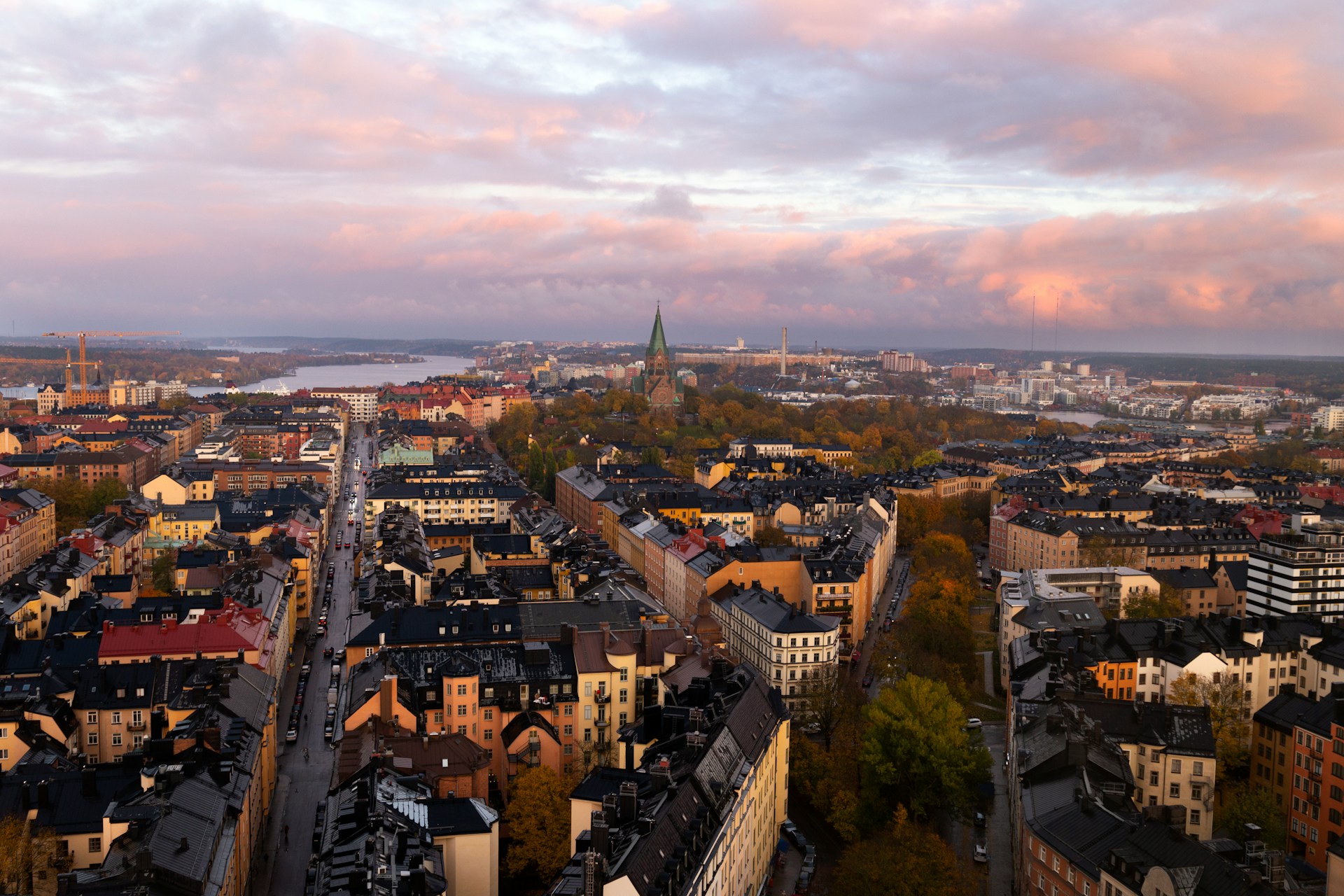
Genre photo. Photo: Joel Klasén on Unsplash
People who grow up in areas with lower levels of education and income have a harder time finding a highly skilled job later in life. One key explanation is that young people from socioeconomically disadvantaged areas are less likely to pursue higher education, which in turn affects their future career opportunities. Another reason is that they are less likely to move to areas with stronger labor markets. The study is based on nationwide registry data and includes approximately 100,000 individuals who were tracked from their teenage years through their 40s.
“The results show how important it is, for example, to invest in schools in disadvantaged areas to increase the likelihood that students in these areas will pursue higher education,” says Charlotta Mellander, professor of economics at Jönköping International Business School (JU).
Location Itself Matters
The researchers took into account factors that often influence life chances, such as parents’ education and income, as well as the individual’s cognitive ability. Despite this, the link between the neighborhood where one grows up and one’s future occupation remains. This suggests that the location itself shapes our opportunities in life, for example through the role models, networks, and opportunities available in the local community.
At the same time, the study shows what can reduce these disparities. People who go on to higher education have better chances of entering skilled professions, even if they grew up in a socioeconomically disadvantaged area. Geographic mobility also plays a role. Moving—for example, to larger cities—can also improve opportunities. However, people in disadvantaged areas tend to do so to a lesser extent, which means that these disparities persist over time.
The study also shows that socioeconomic factors in the neighborhood have a greater impact on future job opportunities than the area’s ethnic composition.
“However, we should remember that immigration and segregation looked different in the 1990s, which is when the study began. Today, there is a stronger correlation between the proportion of foreign-born residents in an area and its levels of education and income," says Sofia Wixe, Associate Professor of Economics at Jönköping International Business School.
Martin Beckmann Award 2026
Charlotta Mellander and Sofia Wixe at Jönköping International Business School, together with José Lobo at Arizona State University, have been awarded the Martin Beckmann RSAI Annual Award 2026. The award is presented by the Regional Science Association International for the best article published in *Papers in Regional Science* in 2025. They are receiving the award for their article “Adolescence socioeconomic segregation and high-skill jobs in adulthood,” published in August 2025. The study shows how socioeconomic segregation during adolescence affects the likelihood of obtaining high-skill jobs later in life, while also highlighting the importance of geographic mobility as a pathway to increased social mobility.


